

Are you feeling bloated on a vegan diet? Bloating from a vegan diet is actually more common than you think. You may experience it when you first start a vegan diet as your body is likely shifting to a more high-fibre diet.
Rest assured as there are tips and tricks to help minimize this bloating so you can enjoy your plant-based eating without the bloat.

What is bloating?
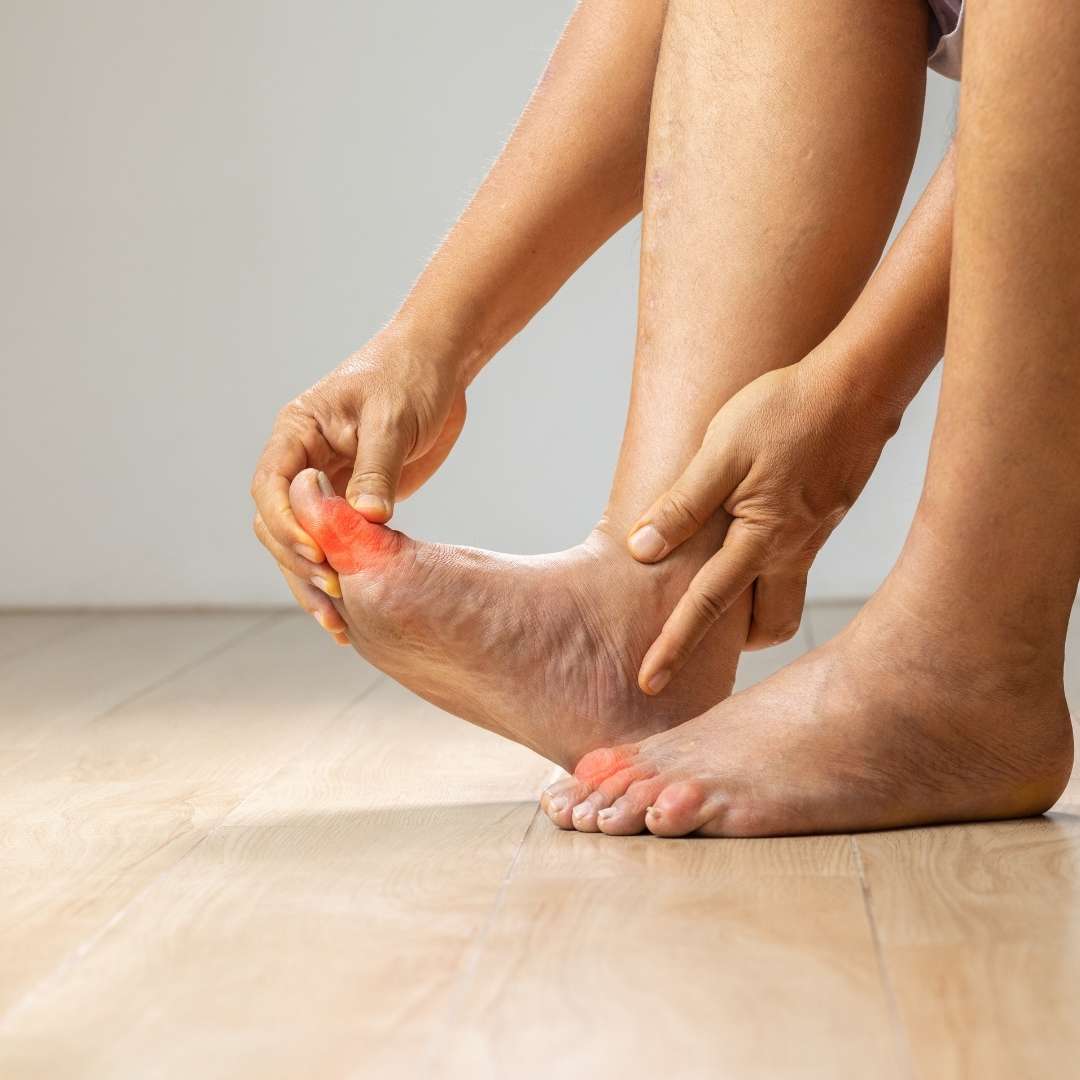
Bloating is when your belly feels full and stretched. This feeling is typically a result of food, liquids, or gas. Because of this, you might feel more pressure in your abdominal area, making it feel hard or swollen.
Most people have experienced this in their life, whether it’s from having a bit too much at an all-you-can-eat buffet or even eating food too fast. Feeling bloating may also come with some discomfort or even pain.
Is bloating normal?
Bloating is completely normal! It’s a natural part of digesting. Food, drinks, and gas are moving through our digestive tract and sometimes we can experience the sensation of these components going through us.
You might be wondering how gas ends up in our digestive tract. Well, sometimes when we eat too quickly, we can end up swallowing air. Or, this gas can be produced through the process of digesting. This gas buildup can contribute to the bloating sensation we may feel.
Anything we drink will also go through out digestive tract. However, most of what’s in our digestive tract will be the food. After eating food, I’m sure you’ve experienced your belly expanding – and that’s very normal and happens to everyone! Depending on how much you eat and what you eat, how much it expands will vary.
Common causes of bloating
Bloating is very common and it’s likely that everyone has experienced it at some point in their life. That’s because bloating can stem from a multitude of reasons. Some reasons are:
The conditions which can cause bloating need diagnosis and treatment from a physician. As well, if you are diagnosed with one of the conditions, seeking guidance from a dietitian can be valuable in minimizing any symptoms you experience.

Bloating from a vegan diet
Bloating on a vegan diet is quite common. This is because of the increased consumption of plant foods. These plant foods tend to be higher in fibre and FODMAPs, which are big contributors to bloating.
Fibre
Plant foods are high in fibre. This fibre is not digested and ends up filling up your stomach and digestive tract more. If you are going from a regular omnivore diet to a vegan diet, you might be going from a less fibre-rich diet to a more fibre-rich diet. So, your GI tract ends up expanding more as a result of the additional fibre. This expansion may be felt in the form of bloating.
FODMAPs
This stands for fermentable oligosaccharides, disaccharides, monosaccharides, and polyols. These are types of sugars (-saccharides) and polyols (sugar alcohols). The breakdown of these sugars and sugar alcohols can cause gas which can contribute to bloating.
Volume of food
The amount of food consumed is also a contributor. On a vegan diet, people tend to consume larger amounts of food because plant foods often amount to fewer calories for each bite. So, those following a vegan eating pattern will often need to eat a greater volume of food to get their energy requirements. This large volume of food will go through the digestive tract which may contribute to bloating.

How to minimize bloating
You might be wondering what some vegan bloating remedies are. It’s important to note that bloating is normal and whether you’re on a vegan diet or not, you may still experience bloating from time to time. However, let me share with you some tips as a vegan dietitian to minimize bloating when you can.
Mindful and slow eating
This is important because sometimes when you eat too quickly, you will end up swallowing air which can lead to bloating. As well, when you’re more conscious and mindful of what you’re eating, this can make you more aware of the volume of food you’re eating as well as the amount of fibre. Both of which can impact bloating. When it comes to fibre, increase your intake slowly so your body has time to adjust.
Stay hydrated
Make sure to drink enough water throughout the day. This is important because of the interaction with the fibre we get from our food. It helps the fibre pass through our digestive tract which can help minimize the bloating.
Soak your beans!
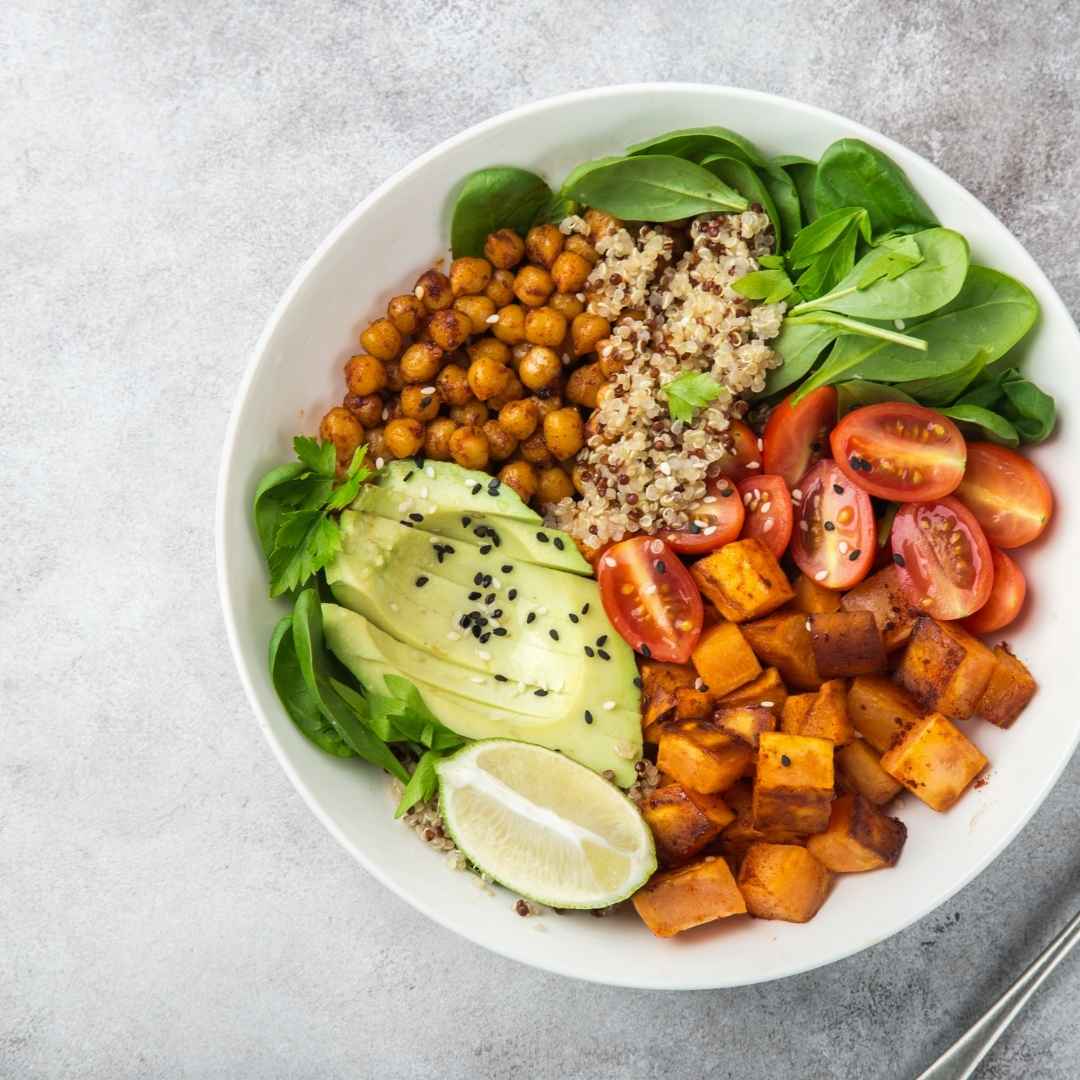
This is a staple in the vegan diet. Beans, lentils, chickpeas, etc. are great sources of plant proteins. However, due to their fibre, they can cause bloating and gas. However, if you soak the dried beans, the components which contribute to gas and bloating will dissolve into the water. This will minimize the symptoms once consumed.
Cook your vegetables
Certain vegetables can cause bloating, specifically cruciferous vegetables like cauliflower. However, once cooked, this can help break down some of the plant components that we cannot break down on our own. This can help minimize the bloating.
Limiting FODMAPS
People with IBS have trouble breaking down FODMAPs. This causes gas and bloating. Limiting certain types of FODMAPs can help reduce bloating. A registered dietitian can help guide you toward which FODMAP might be causing your bloating.
Eat foods that have probiotics
Probiotics have been shown through research to help minimize bloating. Foods that have probiotics include kimchi, miso, tempeh, and sauerkraut. One caveat is that there is not sufficient research yet to recommend a specific strain.

How long does bloating last when going vegan?
You might be wondering how long it takes for the gut to adjust to a plant-based diet or if the bloating ever goes away. An amount of bloating may persist on a vegan diet, especially if you’re consuming high amounts of fibre and more food than before. The bloating may persist for a few days or even a couple of weeks as the body adjusts to the new diet.
However, the bloating should not cause pain or discomfort, it should just be a full feeling in your belly. If you find that you have discomfort or pain due to bloating, I recommend reaching out to your family physician or registered dietitian.
Bloating is good!
I know bloating can feel uncomfortable, but it the discomfort can actually be a good thing. You might wonder why. Well, this is because of the fermentation process in our body. In beans, there is something called resistant starches and this is not fully digested by our bodies. In fact, they end up being fermented into short-chain fatty acids by bacteria in our intestines.
Why is this important? Research has linked this fermentation process to lowering risk of colon cancer. So, don’t let the bloating deter you from sticking to a vegan eating pattern. Take it slow and reap the health benefits!
Benefits of fibre
Did you know the average American adult only gets about 15 grams of fibre in their diet each day? The recommended intake is about 25-30 grams. However, on a vegan diet that’s comprised of mostly unprocessed foods, fibre intake usually increases. So, many people going from a non-vegan diet end up increasing their fibre intake substantially, which can lead to bloating.
However, this bloating isn’t all bad! Fibre is great, especially if you weren’t previously eating enough. Fibre has been shown to lower cholesterol, lower blood sugar, regulate bowel movements, and aid in weight management. As well, fibre’s role in the gut microbiome may have anti-inflammatory properties to minimize inflammation related to cancers such as breast cancer and colorectal cancer.

Key Takeaways
So, does bloating from a vegan diet go away eventually? Bloating is normal and when transitioning from your previous diet to a vegan diet, some bloating is expected. This is especially so because a vegan diet tends to be higher in fibre and volume, which is usually a big shift from the usual omnivore diet.
Give your body the time to adjust and try some of the tips above to mitigate the bloating. Don’t let bloating deter you from a vegan diet, especially when there are so many health benefits that come with it. If you’ve tried it all and still have concerns and issues with bloating, reach out to a dietitian for professional guidance.

 Jul 27, 2026
 Jul 02, 2026
 Jun 18, 2026
 Jun 11, 2026
 Jun 04, 2026
© All Rights Reserved, Plant-Based Dietitians 2026